
November 2, 2026
The demand for recycled cooking oil is changing fast. Here's what's driving the shift, and why it matters for your kitchen.
read more
September 18, 2026
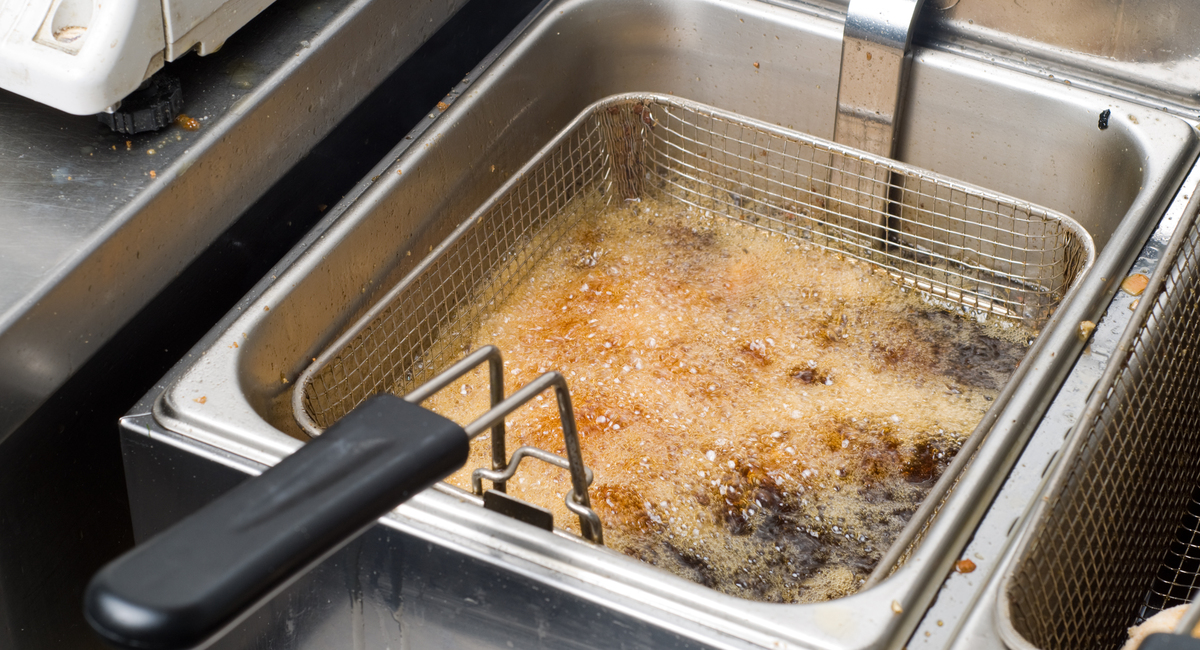
Overflowing containers, drain clogs, and compliance headaches don't have to be part of running a commercial kitchen. Our updated disposal guide breaks down certain habits to avoid and current F.O.G. regulations.
read more
August 26, 2026
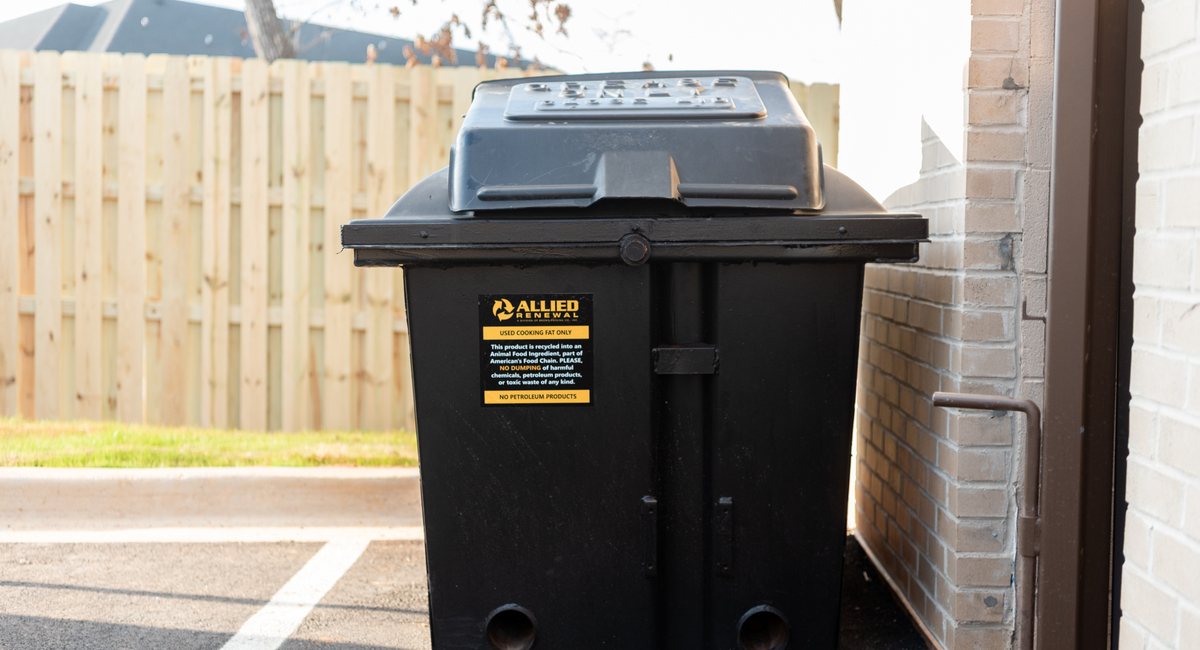
Learn what to look for in a commercial cooking oil recycling partner—from pickup reliability and container management to FOG compliance and red flags to avoid.
read more
July 9, 2026
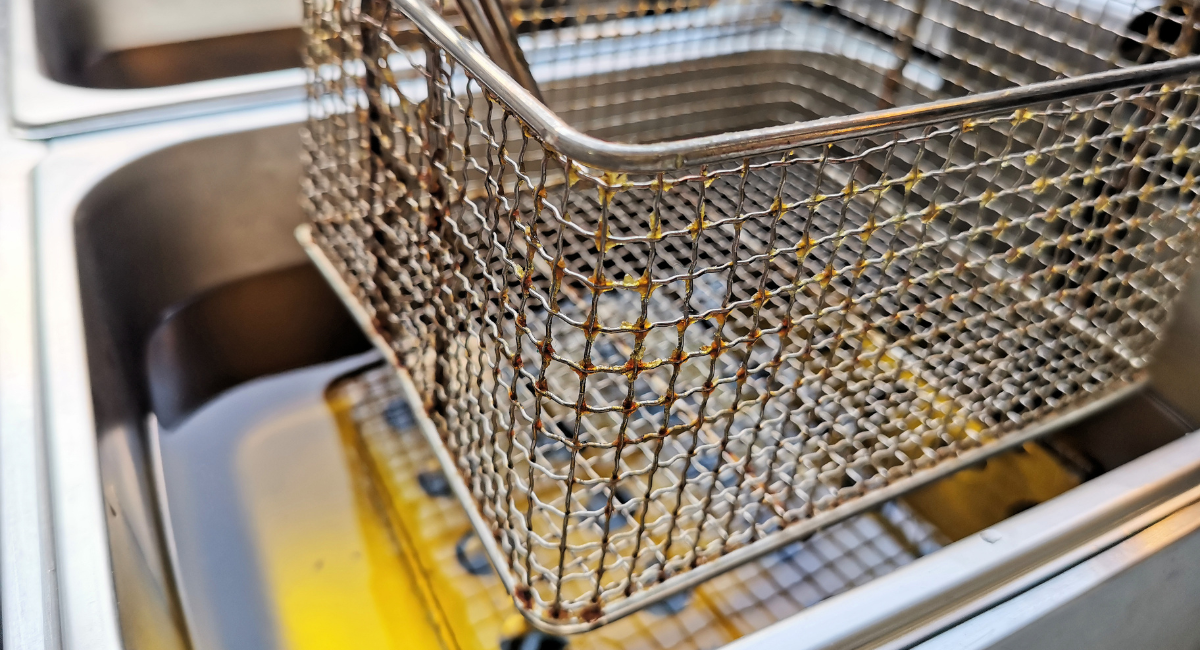
For most restaurants, cooking oil is simply part of the daily rhythm of the kitchen. But once that oil leaves your restaurant, where does it actually go? The answer is more important than many operators realize.
read more
June 11, 2026
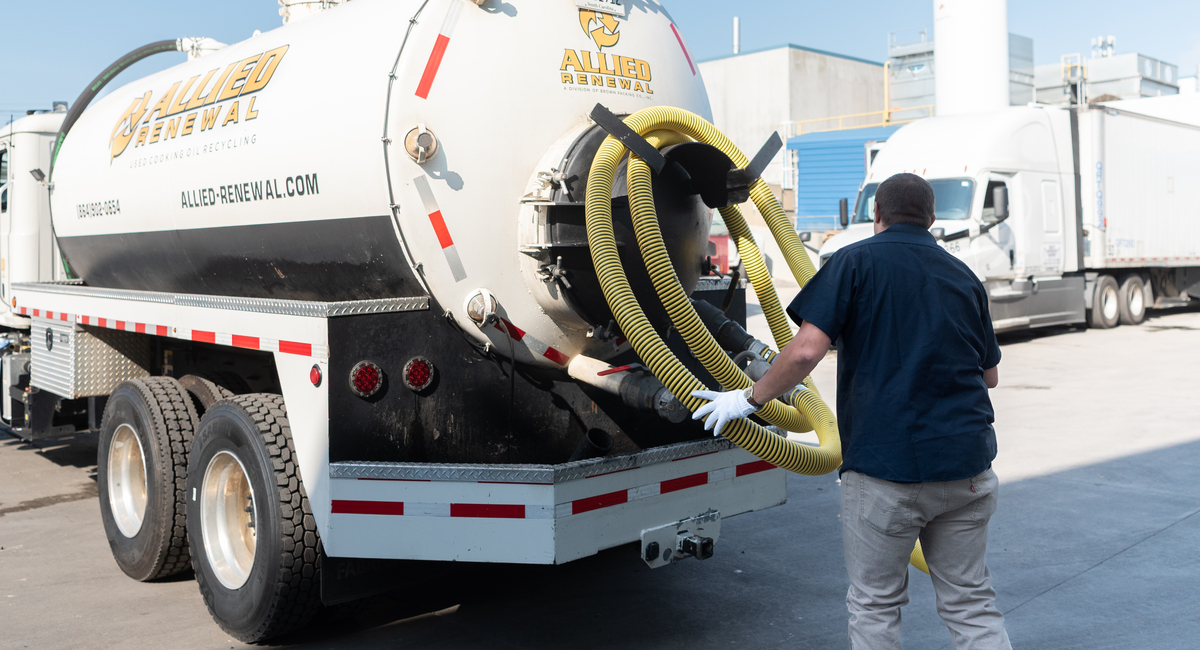
Cooking oil recycling is often viewed as an environmental practice, but for restaurants, it is also a smart operational decision. A reliable used oil management program can help reduce avoidable costs, improve kitchen safety, support compliance, and keep daily operations running smoothly.
read more

May 18, 2026
Avoid costly cooking oil disposal mistakes. Learn the 7 most common errors commercial kitchens make with used oil containers, collection, and FOG compliance.
read more

April 22, 2026
If you run a commercial kitchen, you already know the summer rush changes everything. But what happens to your used cooking oil when temperatures climb into the 90s and stay there for weeks on end? Temperature, humidity, and increased volume can be real operational headaches that turn cooking oil recycling into a daily frustration. The good news is that most of these problems are preventable with the right setup and the right collection partner.
read more

March 9, 2026
Peanut oil has some unique advantages in the kitchen, and like other used cooking oils, peanut oil can be collected, stored, and recycled through a professional used oil recycling program.
read more