


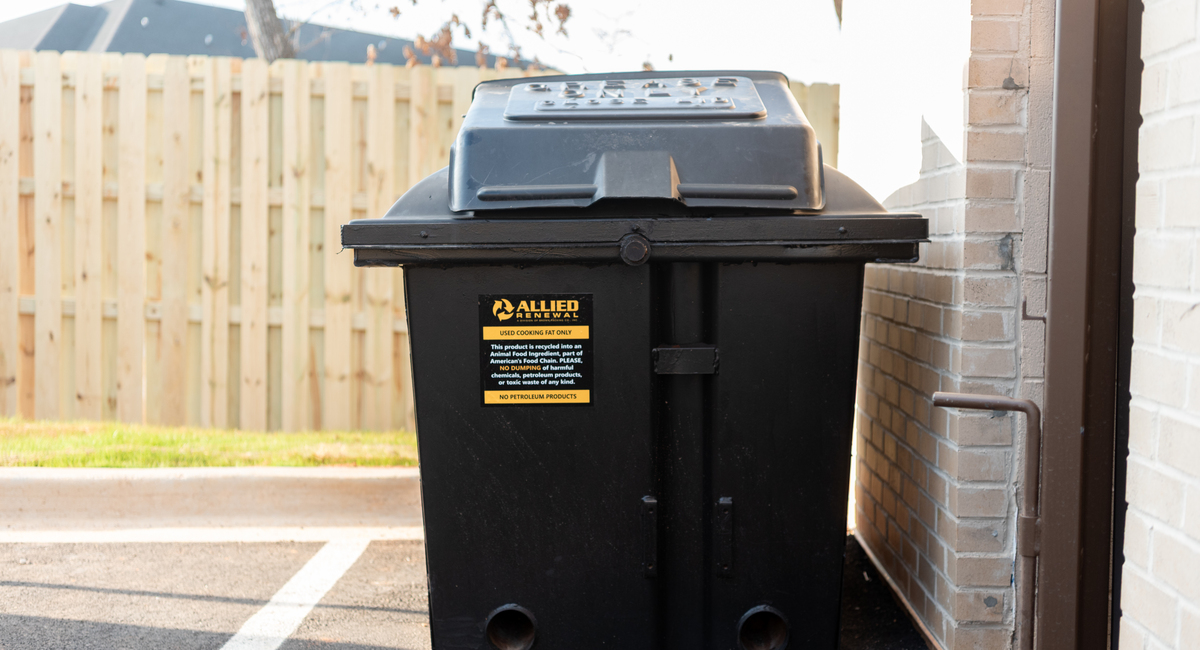
If you manage a commercial kitchen, you know used cooking oil doesn't just disappear on its own. It has to go somewhere, and how it gets there matters more than most operators realize. The wrong cooking oil disposal setup leads to overflowing containers, missed pickups, compliance headaches, pest problems, and wasted time chasing down a provider who doesn't return your calls.
Choosing a cooking oil recycling partner isn't just about price. It's about finding a company that treats your operation like it matters—one that shows up when they say they will, keeps your containers clean and functional, and handles the paperwork so you don't have to. Here's what to look for when you're evaluating your options.
Service Standards and Reliability
Crucial to a good used cooking oil collection transaction is a dependable partner who doesn't leave you guessing about when your next pickup will happen. They confirm schedules, stick to them, and communicate proactively if anything changes.
Ask potential providers these questions up front:
- Do you have set routes with confirmed pickup days, or is service scheduled on demand?
- What happens if my container fills up before the next scheduled visit?
- How do you handle after-hours or emergency service requests?
- Can you provide references from other commercial kitchens in my area?
A reliable provider won't hesitate to answer these questions. The providers who perform consistently are the ones who can point to specific service commitments.
Pickup Frequency and Scheduling Flexibility
Every kitchen is different. A high-volume restaurant deep-frying hundreds of pounds of food per day has very different needs than a café that uses a single fryer a few times a week. Your cooking oil disposal schedule should match your actual output, not a one-size-fits-all route.
The right partner will assess your volume during onboarding and recommend a pickup frequency that keeps your container from overflowing. More importantly, they'll adjust that schedule as your needs change. Seasonal shifts, menu changes, and special events can all increase oil output. During summer months especially, fryers run longer and oil degrades faster, which means more frequent collection may be necessary.
Look for a provider that offers flexible scheduling rather than locking you into a rigid contract with penalties for changes. A good partner adapts to your business, not the other way around.
Compliance, Documentation, and Regulatory Requirements
Used cooking oil falls under FOG (fats, oils, and grease) regulations in most municipalities. Improper cooking oil disposal can result in fines, sewer surcharges, and even forced shutdowns. Your recycling partner should understand the local regulatory landscape and help you stay compliant without adding to your workload.
Here's what a compliance-focused provider should offer:
- Documentation of every pickup—Dates, volumes collected, and chain-of-custody records showing where your oil goes after collection.
- Knowledge of local FOG ordinances—They should be able to tell you what your municipality requires and how their service keeps you in compliance.
- Proper disposal and recycling practices—Your used cooking oil should be recycled responsibly, not dumped or mishandled. Reputable providers can explain exactly how collected oil is processed and what it becomes.
- Insurance and licensing—Make sure your provider carries adequate liability coverage and holds any permits required by your state or county.
If a provider can't clearly explain their compliance process, that's a significant red flag. You're the one who faces the consequences if something goes wrong, so it's worth working with a company that takes proper disposal practices seriously.
Container Management and Maintenance
Your used cooking oil container is a critical piece of restaurant equipment. If it's leaking, rusted, difficult to access, or too small for your volume, every other part of the process suffers.
A quality commercial cooking oil recycling partner will:
- Provide properly sized containers based on your oil output and available space.
- Maintain those containers as part of their service, including cleaning, repairing, or replacing them as needed.
- Position containers properly to reduce spill risk and labor for your staff.
- Ensure containers have secure, locking lids to prevent theft, contamination, and pest attraction.
Container management might seem like a small detail, but it directly affects day-to-day operations. A cracked lid invites rainwater (which contaminates the oil and can cause odor issues), pests, and even grease theft. If your current provider drops off a container and never inspects it again, that's a problem.
Red Flags to Watch For
Not every provider operates with the same standards. Here are warning signs that should give you pause during the evaluation process:
- No written service agreement—If a provider won't put their commitments in writing (pickup frequency, response times, container maintenance, etc.) you have no recourse when things go wrong.
- Vague or evasive answers about compliance—A provider that can't explain how they handle FOG regulations or where your oil goes after pickup may be cutting corners.
- Inconsistent pickup schedules—One missed pickup can lead to an overflow. Repeated missed pickups signal a deeper operational problem.
- No container maintenance—If they drop off a bin and never inspect, clean, or service it, expect problems like leaks, odor, pest issues, and potential code violations.
- Pressure to sign long-term contracts with steep cancellation fees—Reputable providers earn your business through performance, not penalties.
- No local presence or dedicated account support—If you can't reach a real person when there's a problem, you're not a priority.
- Unlicensed or uninsured operations—This exposes your business to liability. Always verify.
Making Your Decision
Choosing a used cooking oil collection partner comes down to a few practical questions: Will they show up reliably? Will they keep your operation compliant? Will they maintain the equipment? And will they be there when you need to talk to them?
Price matters, but it shouldn't be the only factor. A provider who charges slightly less but misses pickups, ignores container maintenance, or can't document proper disposal will cost you more in the long run through fines, cleanup expenses, lost time, and operational headaches.
The right cooking oil recycling partner operates more like an extension of your kitchen team than a vendor you tolerate. They understand your business, adapt to your needs, and take the used oil problem off your plate entirely so you can focus on what you do best.
Ready to Work With a Cooking Oil Recycling Partner You Can Count On?
Allied Renewal provides dependable used cooking oil collection with flexible scheduling, container maintenance, and full compliance support. Request a quote to see how we can serve your kitchen.