


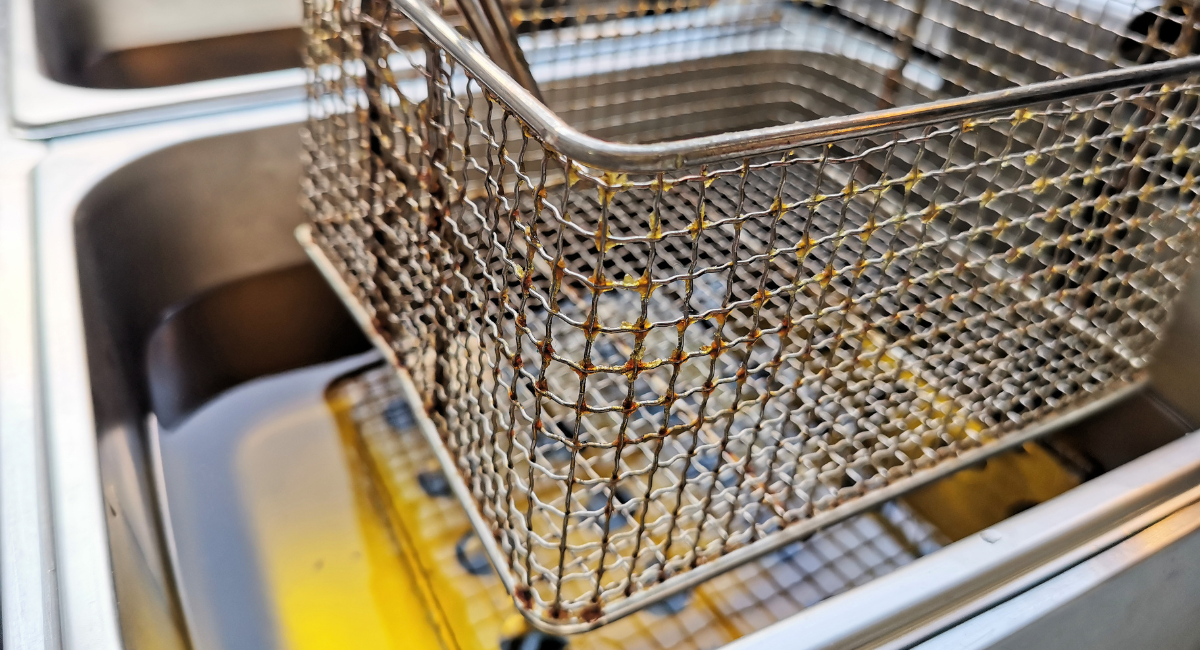
For most restaurants, cooking oil is simply part of the daily rhythm of the kitchen. But once that oil leaves your restaurant, where does it actually go?
The answer is more important than many operators realize. Used cooking oil is not just waste. When collected and handled properly, it becomes a helpful resource, helps reduce environmental strain, and keeps restaurants in compliance with important safety and disposal standards.
At Allied Renewal, we help restaurants manage used cooking oil in a way that is cleaner, safer, and more responsible from start to finish.
Step 1: Used Cooking Oil Is Collected From Your Restaurant
The process begins at your restaurant with proper storage and collection. After cooking oil has reached the end of its useful life in the kitchen, it should be placed in a designated used cooking oil container rather than poured down drains, discarded with trash, or stored in unsafe areas.
A professional collection provider, like Allied Renewal, supplies the equipment and service needed to keep this process manageable for restaurant teams. Depending on the restaurant’s volume, layout, and service needs, used cooking oil may be stored in an outdoor collection container, indoor system, or other approved setup.
From there, scheduled collection keeps the oil moving out of the restaurant before it creates operational headaches. Reliable pickup helps prevent overflow, reduce mess around the property, limit slip hazards, and keep back-of-house areas cleaner and safer for employees.
In short, proper collection is not just about removing oil. It is about helping your kitchen run better.
Step 2: The Oil Is Transported for Processing
Once collected, the used cooking oil is transported to a processing facility. This step matters because used oil must be handled carefully to protect both the restaurant and the environment. Professional collection helps ensure the oil is moved through the proper channels instead of ending up in storm drains, sewer lines, landfills, or other places where it can cause problems. Without proper handling, used cooking oil can contribute to clogged pipes, sewer backups, pest issues, and environmental contamination.
Step 3: Used Cooking Oil Is Processed
Before used cooking oil can be recycled into something useful, it must be processed. This typically involves removing food particles, water, and other impurities that build up during cooking. The oil may go through filtering, settling, heating, or other treatment processes designed to separate usable oil from unwanted materials. The goal is to prepare the oil for its next life as a recyclable feedstock.
Step 4: Recycled Cooking Oil Can Become Biodiesel
One of the most important end uses for recycled cooking oil is biodiesel production. Biodiesel is a renewable fuel that can be made from several feedstocks, including used cooking oil. Through a chemical process, the cleaned oil is converted into fuel that can be used in diesel engines, heating systems, and other applications depending on regulatory and market requirements.
For restaurants, that means proper used cooking oil recycling is not just a disposal decision. It is a practical way to support renewable fuel production and reduce the amount of waste sent into less productive channels.
Other End Uses for Recycled Cooking Oil
While biodiesel is one of the best-known outcomes, used cooking oil may also be repurposed in other ways depending on processing standards, market needs, and material quality. Recycled oil can be used in industrial applications, renewable energy production, animal feed ingredients, or other manufacturing processes that rely on fats, oils, and greases. The specific end use depends on how the oil is collected, cleaned, tested, and prepared.
Why Proper Collection and Recycling Matters
For restaurant owners and operators, proper used cooking oil collection offers many benefits.
- First, it helps protect your plumbing and property. Pouring oil down drains can lead to serious blockages, costly repairs, and potential sewer issues. Even small amounts of grease and oil can build up over time and create major problems.
- Second, it supports a safer kitchen environment. Overflowing containers, spills, and poorly managed oil storage can create slip hazards, attract pests, and make back-of-house areas harder to maintain.
- Third, it helps restaurants reduce compliance risk. Many municipalities and regulatory agencies have rules around grease, oil, and waste disposal. Working with a professional provider helps ensure used cooking oil is handled in a responsible and documented way.
- Finally, it keeps a valuable resource in use. Instead of treating used cooking oil as garbage, recycling gives it a second life and helps restaurants participate in a more efficient, responsible waste-management system.
The Value of the Right Collection Partner
Used cooking oil may leave your restaurant, but your responsibility for how it is handled does not end at the back door. Choosing the right collection partner can make the difference between a messy, unreliable process and a system that quietly supports your operations week after week. Allied Renewal works with restaurants to provide dependable used cooking oil collection and recycling services that help keep kitchens cleaner, safer, and more efficient. From proper containment to reliable pickup and responsible recycling, we help make used oil management one less thing your team has to worry about.